


The Headline Web Desk
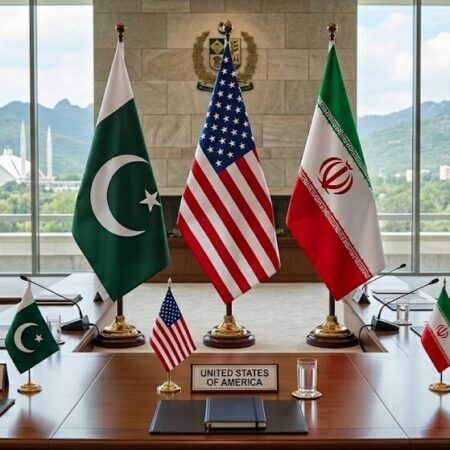
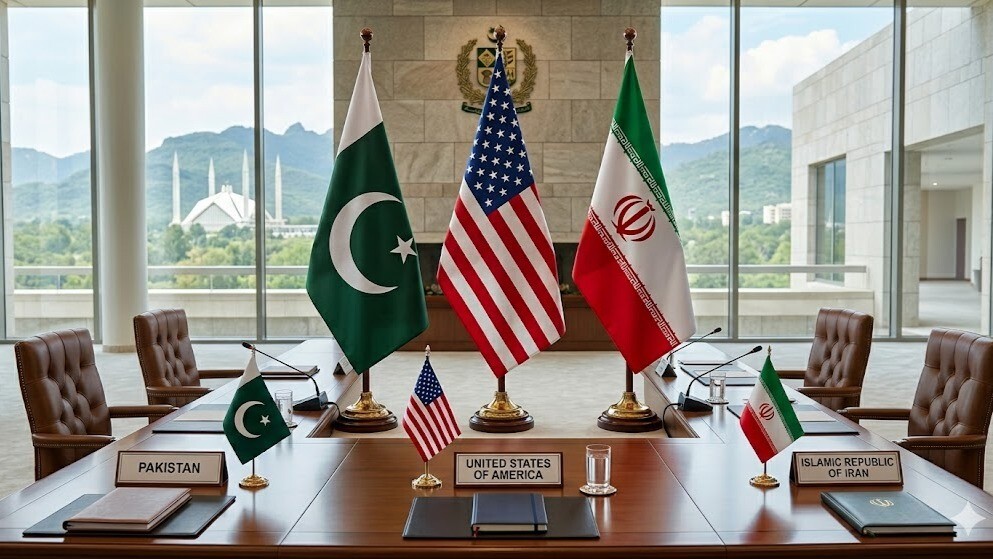
Pakistan is stepping up diplomatic efforts to help create conditions for renewed dialogue between the United States and Iran, as regional tensions continue to affect security and economic stability across the Middle East. According to officials familiar with the discussions, Islamabad has been engaged in behind-the-scenes consultations aimed at encouraging both sides to return to negotiations after months of conflict.
The latest diplomatic activity follows the recent visit of Iranian Interior Minister Eskandar Momeni to Islamabad, his second visit within ten days. During the trip, he held meetings with senior Pakistani government officials and Chief of Army Staff Field Marshal Asim Munir, where regional security and the possibility of reviving diplomatic engagement were discussed.
Sources indicate that the renewed push gained momentum after China encouraged regional partners to support efforts aimed at reducing tensions between Washington and Tehran. Beijing, which has significant economic interests in the Gulf region, is believed to be backing initiatives that could help restore stability and safeguard global trade routes.
Pakistan has positioned itself as a country willing to facilitate dialogue rather than take sides in the ongoing dispute. Officials believe diplomacy remains the most effective path to reducing regional instability, particularly as continued conflict threatens energy supplies, international shipping, and economic growth across the region.
However, officials also acknowledge that significant challenges remain before formal negotiations can resume. One of the key conditions being discussed is an end to attacks targeting Saudi Arabia and other Gulf states, which Pakistan considers essential for creating an environment conducive to meaningful talks.
Pakistan’s diplomatic balancing act has become increasingly complex in recent months. The country maintains close strategic and economic ties with China, enjoys longstanding relations with Saudi Arabia, and also shares a lengthy border with Iran. These relationships place Islamabad in a unique position to encourage dialogue while carefully managing its own regional interests.
Although no official date has been announced for fresh negotiations between Washington and Tehran, diplomatic contacts continue behind closed doors. Observers believe any breakthrough would not only help reduce regional tensions but could also improve confidence in international markets and strengthen security across the Middle East.