


The conflict involving Iran and the United States has entered another dangerous phase
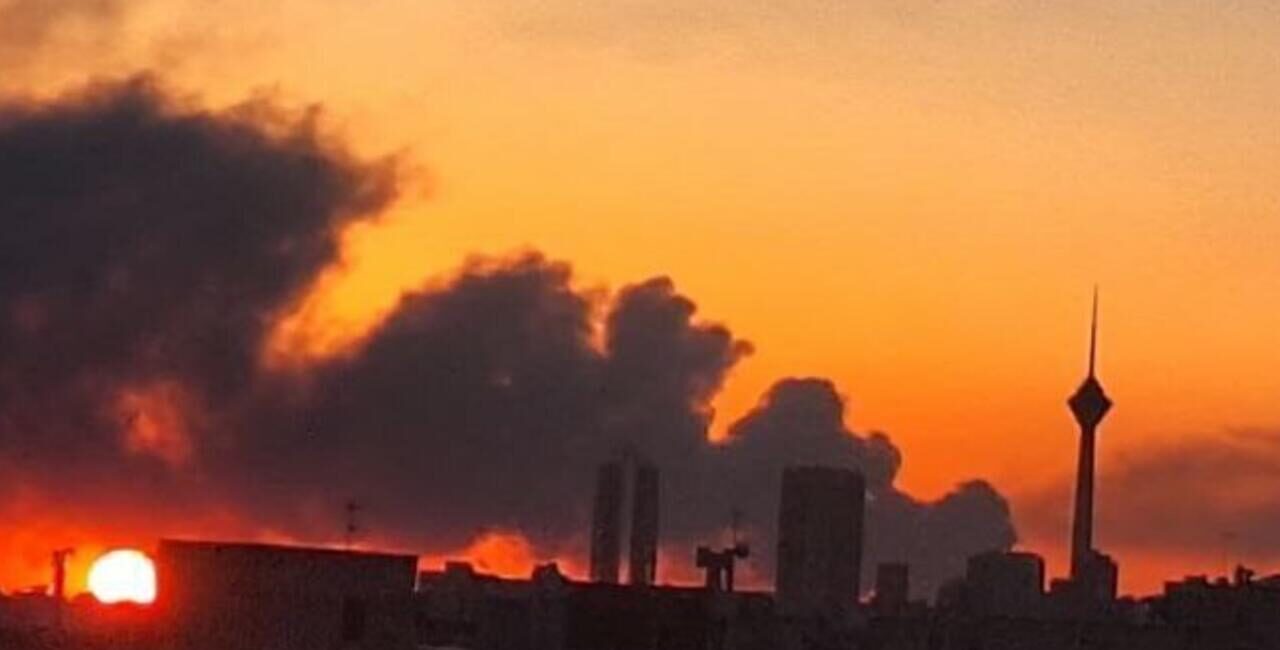
The conflict involving Iran and the United States has entered another tense phase, with renewed military activity raising concerns about the security of the wider Middle East and the potential impact on global energy and trade routes.
Reports on Tuesday said Iran targeted American military assets in the Gulf, while the United States continued its military campaign against Iran. The latest developments came as diplomatic efforts to reduce tensions remained uncertain.
The escalation has also increased concerns surrounding the Strait of Hormuz, one of the world’s most important energy corridors. Any prolonged disruption in the area could have consequences for international oil markets and shipping costs.
The conflict is being closely watched by countries across the region, particularly those located near the Gulf. The possibility of further escalation has also increased pressure on governments and international organizations to push for diplomatic solutions.
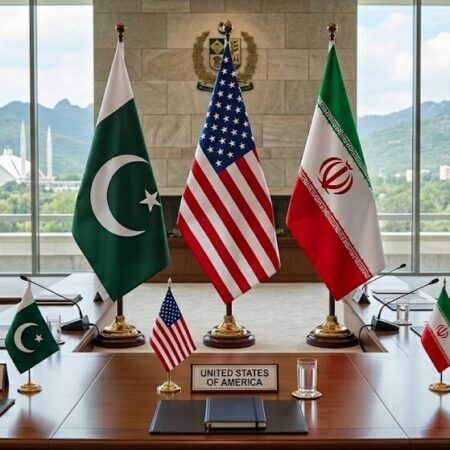
Pakistan has also been involved in diplomatic efforts aimed at reducing tensions. An Iranian official visited Pakistan as Islamabad continued efforts to support dialogue and explore avenues for de-escalation.
For ordinary people across the region, the conflict has raised concerns about security, inflation and access to essential goods. Higher energy prices and disruptions to shipping can quickly affect economies well beyond the immediate conflict zone.
International markets are also monitoring developments closely. Oil prices have remained sensitive to news from the region, while businesses are assessing the possible impact on supply chains and transportation costs.
The situation remains fluid, and further developments are expected as diplomatic contacts continue alongside military activity.
For the international community, the immediate challenge remains preventing the conflict from expanding further while finding a path toward negotiations that could reduce the risk of a wider regional crisis.

Other Articles

Raisa Adil Appointed as Principal Information Officer